How to choose artwork that truly elevates your home

Featured content
Artwork has the power to make a home feel more personal, polished and complete. The right piece can introduce colour, create a focal point or bring warmth to a room that otherwise feels unfinished. However, choosing art is not simply about matching a cushion or filling an empty wall.
The most successful choices reflect your taste while working naturally with the scale, light and character of your space. Whether you are selecting an original painting, a limited-edition print or a family photograph, a thoughtful approach will help you choose artwork you will enjoy for years.
Start With How You Want the Room to Feel
Before looking at individual pieces, consider the atmosphere you want to create. Art can reinforce the mood of a room or provide an intentional contrast.
A calm bedroom may suit soft landscapes, botanical studies or abstract work in muted tones. In a dining room or hallway, a bolder piece can bring energy and give guests something to notice. Meanwhile, a colourful painting can add personality to a neutral living space without requiring a complete redesign.
Rather than asking whether an artwork matches everything exactly, think about whether it belongs in the overall story of the room. A piece that makes you pause or feel something is often a better long-term choice than one selected solely because it matches the current colour scheme.
Consider Scale Before You Buy
Size is one of the most important considerations when choosing wall art. A beautiful piece can lose its impact if it is too small for the wall, while an oversized work may overwhelm a compact room.
Use the Furniture as a Guide
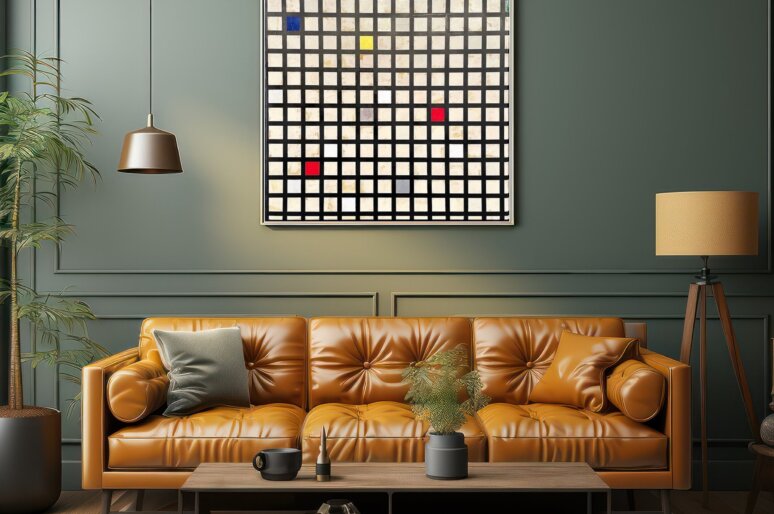
When hanging artwork above a sofa, bed or sideboard, it should generally relate to the furniture beneath it. A single artwork or grouped arrangement that is around two-thirds to three-quarters of the furniture’s width often creates a balanced look.
Leave enough breathing space around the artwork so it does not feel crowded. For gallery walls, lay the arrangement out on the floor first or use paper templates on the wall to test the spacing before committing.
Hang Art at a Comfortable Height
As a useful starting point, place the centre of the artwork around eye level. In spaces where people are usually seated, such as a living room, it can sit slightly lower. The aim is for the art to feel connected to the room rather than floating too high above the furniture.
Choose Colour With Confidence
Artwork does not need to contain every colour used in a room. In fact, selecting a piece with one or two tones that echo existing furnishings can look more considered than an exact match.
You might choose a painting that picks up the warm terracotta of a rug, the deep green of houseplants or the brass tones in lighting and fittings. Alternatively, a dramatic black-and-white print can provide contrast in a colourful space.
If you are unsure, begin with art you genuinely like and then consider how framing, placement and surrounding accessories can help it sit comfortably within the room.
Think Carefully About Framing
The frame can alter the entire appearance of an artwork. It protects the piece, but it also helps it work with your interior.
A simple black or white frame can suit contemporary prints and photography. Natural wood often brings warmth to landscapes and softer interiors, while ornate or coloured frames can create a more traditional or expressive look. Mounting can also make a smaller image feel more substantial and give it space to stand out.
Professional advice is particularly valuable for original artwork, valuable prints, textiles and sentimental photographs. Lorimer Art Gallery & Bespoke Framing can help homeowners select artwork and framing solutions that complement both the piece itself and the space where it will be displayed.
Mix Different Types of Art
A home can feel more interesting when it includes different kinds of visual work. Original paintings can sit beautifully alongside photography, drawings, vintage posters, ceramics or framed keepsakes.
Create a Collection Over Time
There is no need to buy every piece at once. Building a collection gradually gives your home a more personal feel and allows your choices to evolve with your taste.
Look for work that connects with a place, memory or interest. A coastal photograph from a favourite holiday, a local artist’s painting or a print chosen for its subject can carry far more meaning than generic wall décor.
Pay Attention to Light and Placement
Lighting can transform the way artwork appears. Natural daylight may bring out colour and texture, but direct sunlight can fade delicate work over time. Consider placing valuable pieces away from strong, prolonged sunlight or using protective glazing where appropriate.
Picture lights and adjustable wall lighting can create a gallery-like effect, especially in hallways, dining rooms and living areas. Even a carefully positioned lamp can help a favourite piece become a stronger focal point in the evening.
Frequently Asked Questions
How do I choose art for my living room?
Start with the room’s size, colour palette and mood, then choose a piece that you genuinely enjoy. Consider a larger statement piece above the sofa or a curated grouping that brings several smaller works together.
Should all the artwork in my home match?
No. Artwork does not need to follow one style. A mix of paintings, prints and photographs can feel more personal, provided there is some connection through colour, framing, subject matter or placement.
What size artwork should go above a sofa?
Artwork above a sofa should usually be around two-thirds to three-quarters of the sofa’s width. This creates visual balance without making the wall feel overcrowded.
Is bespoke framing worth it?
Bespoke framing can be worthwhile for original artwork, valuable prints and meaningful photographs. It offers better protection and allows the frame, mount and glazing to be selected for the individual piece and your home.
Conclusion
Choosing artwork that elevates your home is about more than filling empty walls. The best pieces reflect your personality, suit the scale of the room and make you feel something each time you see them.
By considering mood, size, colour, framing and light, you can create a collection that feels intentional rather than temporary. Take your time, choose work with meaning and allow your home to develop its own visual character.