Swindon furniture entrepreneur eyes high street expansion following Designer Outlet pop-up

Wiltshire-based retro furniture brand Hus & Home has been steadily building its reputation over the last few years, even providing furniture for Pinewood Studios and Netflix productions. Most recently it has seen further success with a pop-up store in Swindon’s Designer Outlet Centre, which performed so well in its first week the temporary lease was extended.
A trained engineer with a full-time job as a Facilities Manager, the brand’s founder Cameron Carash explains how he has capitalised on the revival of mid-century furniture and why – when it comes to setting up a business from scratch – running it as a ‘side hustle’ has been key to his success…

Tell us about how Hus & Home got started
We were originally called Ridgeway Antiques, but I changed the name because I didn’t want to give the impression that we only do antiques. The new name came to me as I was going to sleep one night – I just suddenly thought Ah! Hus & Home!
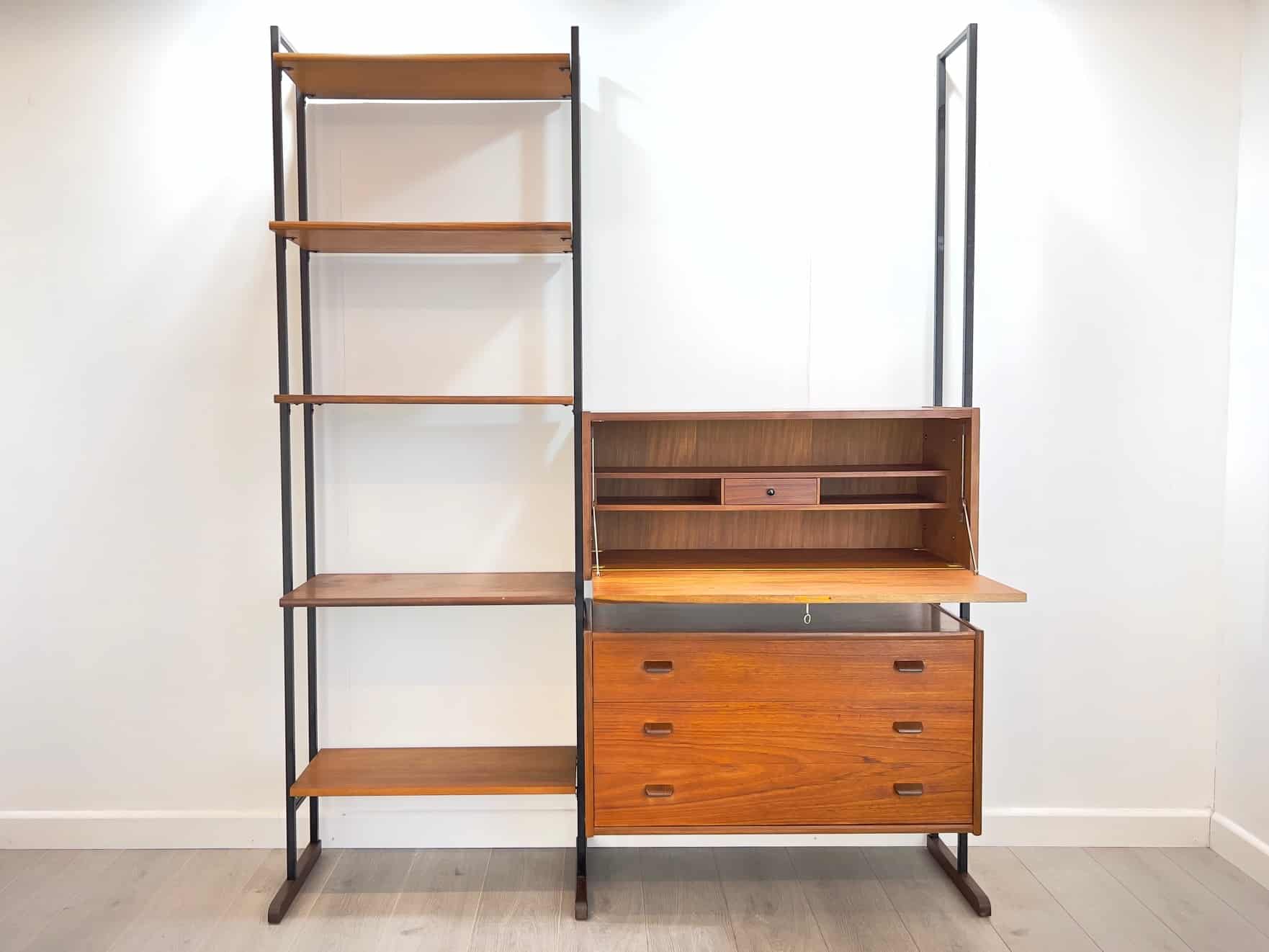
We’re a mixture of Scandinavian (mainly Danish) origin furniture and English furniture. Hus (the Danish word for House) represents the Danish aspect of the business and Home represents the English side – which includes brands like G Plan and Mcintosh.
A lot of the furniture I stock – such as Dyrlund – are Danish brands with styles that evoke the 1970s.
Mid-century is mainly around mid-twentieth century and is characterised by teak, rosewood and sometimes elm furniture. Everything from the 1950s to the 1990s is mid-century, vintage or retro.
Can you elaborate on your products and business model?
Although we are mainly vintage and mid-century, we also stock the odd touch of antique. Around the 2008 financial crash – antique furniture died a death and mid-century and vintage has been dead for decades. But during Covid, they made a big comeback. This has partly been spurred on by brands such as IKEA and Dunelm who have been pushing that mid-century vibe.
In terms of running the business, I only buy things I like. I might get some people who come to me with vintage pieces, but if I don’t like it, then I won’t buy it.
TV presenter Drew Pritchard (Salvage Hunters) once said –You’ve got to have an eye for it and luckily, various interior designers have told me that I do.
I want us to be more attractive to general buyers and not just be about antiques. Many antique dealers tend to just sell at fairs or have a cluttered unit in an antique centre and don’t sell much online. But we are mainly online based.
By selling online, a brand like us that has a set style on the website is able to create an air of professionalism. From the outset, I’ve really tried to market us in a similar way to a high-street furniture retailer so that people might come to us rather than go somewhere like IKEA.
On the back of this, I tend to use as many platforms as possible to sell. So even though my website is where I want everyone to go to, I’ve also linked other selling sites (such as eBay) where I sell my products under the Hus & Home name.
This then attracts all buyers who are used to trading on one site to also know my name and they do sometimes migrate over to my website. So, they are recognising the brand and following it to the source.
It’s handy to use those different sites because they all attract different buyers. Vinterior is more for interior designers, businesses and sometimes end users while eBay is end users but sometimes photographers and designers as well. It’s all about putting the feelers out there as much as possible to attract a broad selection of people.
Tell us about your entrepreneurial journey
When I was fourteen, I went to an auction in Swindon with my dad and they were selling some copper printing stamps. We bought the whole box for £25, stripped all the copper from them and sold it for £160!
From there, up until I was in college I started buying and selling militaria (shell cases etc). I stopped while I was doing my apprenticeship in engineering and then went back to being a sole trader selling silver.
My interest in furniture started in about January 2021 and I rented a small 120-square-foot unit (the size of a garage) and started trading from there. I then moved into a bigger unit in April 2021. Over those four months, I developed an eye for what I wanted to buy and what sells. From there I’ve expanded into bigger units each year and I now have the ground floor of a warehouse.
Over that period, I worked with the Netflix production Everything Now in the summer of 2022 and then provided some furniture for the film Here with Tom Hanks in the November of that year. This year I provided a table for Black Bag and most recently I did a centre piece for a theatre company based in London.
How did these deals come about?
Essentially, I invested quite a lot of time just in my website and I also hired someone to do my marketing last year who has supported the website as well and redesigned and finessed it. This has helped because these clients have all come directly through my website initially. I don’t have a shop front at the moment, so it’s important to show that professionalism through the website.
I provided Paul Smith [the fashion designer] with a pair of armchairs that were going into a new shop and I worked with Pinewood Studios on Black Bag and Here. Initially, they set up a shell company whilst filming and all the accounts go through there. Again, with Netflix, I dealt with a production company that was set up specifically to produce Everything Now.
What was it like working with these companies?
Incredibly rushed! For Black Bag I had three different people call me within thirty minutes. As soon as they purchase an item, they send out a runner who will rent a van, drive down, throw it in and off they go. There’s no haggling on price either – if they need that item for Friday then that’s it – they pay!
Have you got any other collaborations planned at all?
Not yet, but because I’ve now dealt with these clients, there are quite a few people [in that industry] who now know of me and could use me again in the future.
What makes your brand stand out from other small furniture dealers?
I think the professionalism in how we do things. And I’ve been able to do this by hiring the right people in the right areas to help me. Also, when responding to customers – I’m quick, accurate and keep them updated at all steps of the process. All of this helps towards potential return buyers in the future.
What are your aspirations for the company in the next few years?
Currently, 90% of my furniture goes to London, and that tends to be end users. Moving forward, I want to attract more customers from Swindon and Wiltshire.
I’m looking to turn the unit I’ve currently got into a shop soon, which will hopefully raise my profile in the Swindon area. Part of this drive was the pop-up store we ran at the Outlet Centre in September. This was my first actual retail position, and it did very well, making over £3.5K in sales in the first week.
In addition to this, I still want to work with more commercial clients such as designers creating restaurants because many of these places have a vintage style. Also, using vintage furniture is a sustainable option for businesses.
Ultimately, I want to increase the saleability of vintage furniture and get people to bring it into their homes and give it a new lease of life.
What advice would you offer entrepreneurs looking to set up a small business?
First off – find something you enjoy, something which you could do for years. I would probably also advise doing what I did and setting it up as a side hustle initially. If you are trying to set up a business from scratch and you’ve quit your job to be able to do it, then you’ve got the worry of bills etc. So, if there is a less stressful way of doing it, then do it!
Also, when you do build that brand look at what you want to aspire to be, see how competitors do it and then try and incorporate it into your own brand.
But when you do start growing – hire the right people! Try not to be a one-man band doing everything yourself.
How do you juggle Hus & Home with your day job?
In my full-time Facilities Manager role, I’ve got ten people who work for me. Although it is full-time – it is flexible. Also, evenings and weekends are Hus & Home time! But I love this set-up and want to grow Hus & Home into a much bigger brand – perhaps becoming the high-street retailer of vintage furniture.
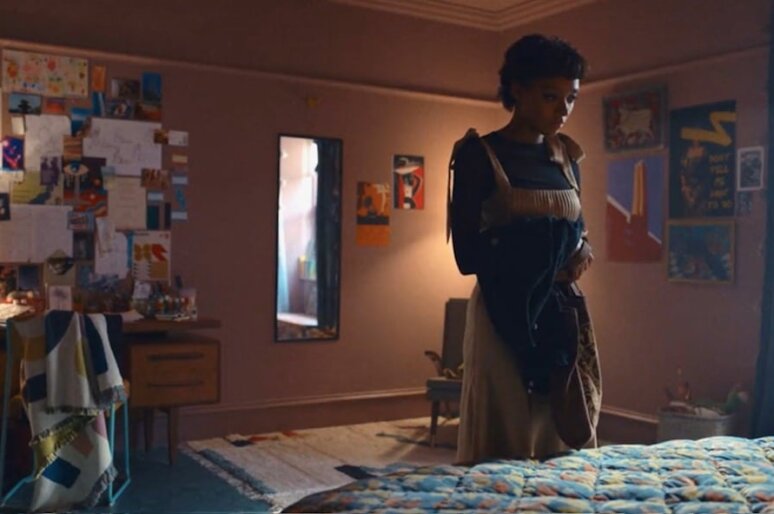
Pictured: (Top of page) A still from one of the productions featuring Hus & Home furniture (Cameron Carash)