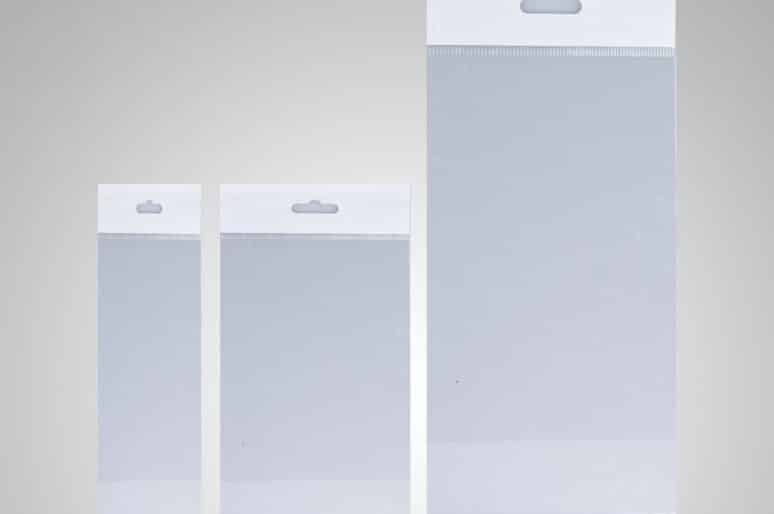
Sachet packaging solutions: Maximising product versatility and market reach

Featured content
Single-serve packaging has transformed how consumers interact with products across numerous industries. Sachets, in particular, offer unparalleled versatility, enabling brands to deliver precise portions in convenient, cost-effective formats that appeal to modern lifestyles. Understanding when and how to leverage sachet packaging can unlock new market opportunities whilst optimising operational efficiency.
The Growing Appeal of Sachet Packaging
Sachets have evolved from simple sample formats to sophisticated packaging solutions serving diverse applications. Their compact size, portion control, and affordability make them ideal for product sampling, travel-sized offerings, on-the-go consumption, ingredient portions, and single-dose applications. This versatility explains why sachets appear across industries from food and beverages to cosmetics, pharmaceuticals, and household products.
Consumer behaviour increasingly favours convenience and experimentation. Sachets address both preferences by providing commitment-free product trials and grab-and-go convenience that fits busy lifestyles. For brands, sachets represent strategic tools for market penetration, customer acquisition, and product line extension.
Key Applications Across Industries
Food and Beverage Sector
Sachets have become ubiquitous in food service and retail environments. Condiments, sweeteners, coffee, tea, nutritional supplements, and powdered beverages all benefit from sachet packaging. Single-serve formats reduce waste, ensure freshness, and provide consistent portioning that maintains product quality and consumer satisfaction.
Personal Care and Cosmetics
Beauty and personal care brands extensively use sachets for product sampling, allowing potential customers to trial formulations before committing to full-size purchases. Shampoo, conditioner, facial masks, serums, and creams distributed in sachets generate trial, drive conversions, and build brand awareness cost-effectively.
Pharmaceutical and Nutraceutical Products
Healthcare applications demand precise dosing and product protection. Sachets provide both whilst offering patient-friendly packaging that simplifies medication adherence. Powdered supplements, rehydration salts, and single-dose medications benefit from sachet formats that ensure accurate portions and extended shelf life.
Household and Industrial Applications
Cleaning products, detergents, and specialty chemicals increasingly utilise sachet packaging for safety, convenience, and precise usage. Pre-measured portions reduce waste, minimise exposure to concentrated products, and simplify storage and transportation.
Advantages of Sachet Packaging Solutions
Cost-Effective Market Testing
Launching new products involves significant risk. Sachets enable low-cost market testing by producing small quantities for consumer trials without substantial packaging investment. This approach validates concepts before committing to large-scale production and distribution.
Enhanced Distribution Flexibility
Sachets’ compact size and lightweight nature reduce shipping costs and expand distribution possibilities. Products can reach markets where larger packaging proves impractical due to logistics costs, storage limitations, or purchasing power constraints.
Improved Product Preservation
Individual packaging protects products from environmental factors—moisture, oxygen, light—that degrade quality. For sensitive formulations, sachets extend shelf life whilst maintaining efficacy from production through consumption.
Consumer Convenience
Modern consumers value convenience above many other factors. Sachets deliver portability, ease of use, and portion control that align perfectly with on-the-go lifestyles and desire for product variety without commitment to large quantities.
Selecting the Right Sachet Packaging Partner
Technical Capabilities and Equipment
Sachet filling and packaging requires specialised equipment capable of handling various product types—liquids, powders, gels, granules. When evaluating potential partners, assess their machinery, capacity, and experience with products similar to yours. Those seeking comprehensive solutions can check available options from established providers specialising in sachet filling and packaging services.
Material Selection and Customisation
Sachet materials vary significantly based on product requirements. Laminated films offer barrier properties for moisture-sensitive products, foil provides light protection for photosensitive ingredients, and specialised materials accommodate specific needs like heat resistance or biodegradability. Partners should offer material consultation and customisation supporting your product specifications.
Quality Control and Compliance
Particularly for food, pharmaceutical, and cosmetic applications, quality assurance and regulatory compliance prove non-negotiable. Verify that potential partners maintain appropriate certifications (GMP, ISO, food-grade facilities), implement rigorous quality control processes, and understand relevant regulatory requirements for your industry and target markets.
Scalability and Flexibility
Production needs evolve. Start-ups require small batch capabilities whilst established brands need high-volume capacity. Evaluate whether partners can accommodate current requirements whilst scaling to meet future growth without forcing you to switch providers mid-development.
Design Considerations for Effective Sachets
Functional Design Elements
Effective sachet design balances functionality with aesthetics. Consider tear notches for easy opening, appropriate sizing for intended use, barrier properties matching product requirements, and clear labelling meeting regulatory standards. These elements directly impact user experience and product performance.
Brand Differentiation
Despite small formats, sachets offer significant branding opportunities. Strategic use of colours, logos, graphics, and messaging creates recognition and communicates brand values. Quality printing and distinctive designs help sachets stand out in retail environments and sampling campaigns.
Sustainability Considerations
Environmental consciousness increasingly influences purchasing decisions. Explore sustainable sachet options including recyclable materials, biodegradable films, minimal material usage, and refillable systems where appropriate. Communicating sustainability efforts resonates with environmentally conscious consumers.
Maximising Marketing Impact with Sachets
Strategic Sampling Programmes
Sachets excel in sampling campaigns that convert interest into purchases. Distribute through retail partnerships, include with complementary purchases, offer via direct mail campaigns, or provide at events and trade shows. Track redemption and conversion rates to measure campaign effectiveness and refine strategies.
Travel and Convenience Markets
Travel retail, hospitality, and convenience sectors represent natural markets for sachet products. Develop partnerships with airlines, hotels, gyms, and convenience stores to position sachets where consumers most value portability and single-use convenience.
Subscription and Sample Box Services
The subscription economy thrives on variety and discovery. Sachets integrate perfectly into sample boxes, subscription services, and curated product collections that introduce consumers to new brands and products regularly.
Cost Management and Value Optimisation
Volume Economics
Sachet production costs decrease significantly with volume. Understand minimum order quantities, price breaks at different volumes, and long-term cost projections as your business scales. Balance initial investment against per-unit costs and market testing value.
Material and Process Efficiency
Work with packaging partners to optimise material usage, minimise waste, and streamline processes. These efficiencies translate directly into cost savings whilst supporting sustainability objectives.
Total Cost of Ownership
Consider all costs beyond unit pricing: storage requirements, shipping costs, inventory management, and potential waste from unsold products. Sachets often deliver superior total cost of ownership compared to larger formats, particularly for trial products and niche markets.
FAQ Section
What products are suitable for sachet packaging?
Most liquids, powders, gels, and granular products can be sachet-packaged. Common applications include condiments, cosmetics, pharmaceuticals, nutritional supplements, beverage mixes, and cleaning products. Discuss specific product characteristics with packaging partners to confirm compatibility.
How do minimum order quantities work for sachet packaging?
MOQs vary significantly between providers and depend on customisation requirements. Simple sachets using standard materials might have lower minimums (10,000-50,000 units), whilst custom printing, specialised materials, or complex products require larger runs (100,000+ units). Discuss your volume expectations during initial consultations.
Can sachets meet regulatory requirements for food and pharmaceutical products?
Yes, when produced in appropriate facilities using compliant materials and processes. Ensure your packaging partner maintains relevant certifications (food-grade facilities, GMP compliance, ISO standards) and understands regulatory labelling and safety requirements for your industry.
How long does sachet production typically take?
Timelines depend on complexity and volume. Standard sachets using existing materials might produce within 2-4 weeks, whilst custom designs requiring new tooling, material sourcing, or extensive testing could take 6-12 weeks. Discuss specific timelines during project planning.
Are sustainable sachet options available?
Increasingly, yes. Options include recyclable mono-material films, biodegradable or compostable materials, and reduced-material designs. Discuss sustainability priorities with packaging partners to identify solutions balancing environmental objectives with product protection requirements and cost considerations.
Conclusion
Sachet packaging represents far more than miniaturised versions of standard formats. These versatile solutions unlock strategic opportunities for market testing, consumer acquisition, and distribution expansion whilst delivering the convenience and portion control modern consumers demand. Success with sachets requires selecting experienced packaging partners who understand your industry, product characteristics, and business objectives. By approaching sachet packaging strategically—considering design, materials, sustainability, and marketing integration—brands transform these small packages into powerful tools for growth and market penetration. Whether launching new products, expanding into new markets, or enhancing existing offerings with trial sizes, sachets offer flexibility and cost-effectiveness that larger packaging formats cannot match, making them essential components of comprehensive product strategies.
Pictured above: Image by uluer servet yüce from Pixabay